
Amongst the many health trends evolving, Veganism is one that has transitioned into universal phenomenon. The vegan diet is practiced by many for either health reasons, social and environmental concerns, personal beliefs or just to try something new. Whatever the reason may be that people switch to a vegan diet, there are many health benefits that can transpire from it.
So what is this vegan craze all about? The vegan diet center’s around wholesome-plant based food and excludes all meat and animal products. To the average carnivore, the vegan diet might seem to eliminate many common foods, nonetheless it is actually an integrative diet filled with variety. A vegan diet is a different type of eating and is a diet that stems around compassion.
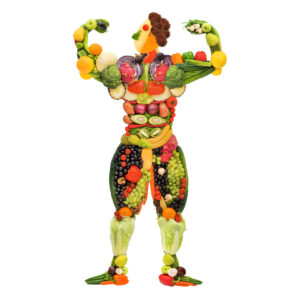 A vegan diet is a well-rounded and balanced diet that fits all the food groups into it. Protein, complex carbohydrates, and healthy fats are all fundamental macronutrients to the vegan diet. Foods like whole grains, starchy vegetables like sweet potatoes, yams and corn, proteins like legumes, nuts, seeds, tofu and tempeh and healthy oils, fruits and vegetables. There are also many nutritious foods from the ground that you may of never heard of, which is why following a vegan diet can be so exciting. It comes with the opportunity to explore so many different types of foods and absorb their powerful health benefits.
It is often a concern that vegans lack of protein and iron. However, one thing you will learn by switching to a vegan diet is that it is possible to get quality protein and iron from many foods beyond animal sources, such as in seeds, nuts, legumes, and even vegetables.
The ultimate goal of a vegan diet is to select foods that enhance your overall health and wellness rather than undermine it. It encourages the ability to become more educated about foods and their nutritional components and properties. As I mentioned, many people choose to follow a vegan diet for health and medical reasons. The vegan diet is proven to have many benefits on the body and overall health for many people. Some benefits of a vegan diet include lowering blood cholesterol levels. Foods that contain cholesterol come from animals, and since a vegan diet is animal free, it is an easy way to eliminate high cholesterol foods and reduce high levels.
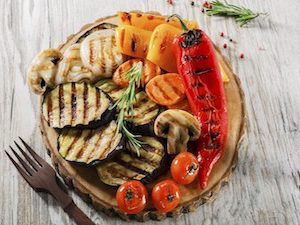 Plant foods are the foundation of a vegan diet, which all include dietary fiber. With a diet rich in fiber from fruits, vegetables, whole grains and legumes your body can naturally regulate the digestive system and help keep your heart healthy. Insoluble fiber helps promote the movement of foods through the digestive tract and add bulk to the stool. On the other hand, soluble fiber is like a magnet to water. Once it attracts water a gel-like material forms and digestion slows, therefore delaying gastric emptying. Increased intake of soluble fiber is also connected to lowering levels of cholesterol and blood glucose levels. Dietary fiber is found in many foods that are incorporated into a vegan diet and as you can see, both types of fiber are very essential for the body properly function and steer clear of health problems. Many plant foods contain both types of dietary fiber, but some hold a much higher content in one type versus the other. Foods high in insoluble fiber include wheat bran, whole grains, skins of fruits and vegetables, berries, beans, popcorn, and, nuts, and flaxseeds. Foods high in soluble fiber include oats, cruciferous vegetables, almonds, peas, beans, artichokes, figs, inside of apples and pears, and citrus.
Another benefit of the vegan diet is that it may help increase longevity. A diet consisting of mainly plant-based food is naturally a diet enriched with plenty of vitamins, minerals and antioxidants. Fueling your body with the vital nutrients it needs to properly function reduces the risk of complications down the road and increases likelihood to live longer! Some other benefits of a vegan diet may include decreased blood pressure levels and may help with sustaining a desirable body weight.
Want to try out the plant-based diet for yourself?
Visit our meal plans page to sign up for your free 3-day trial!