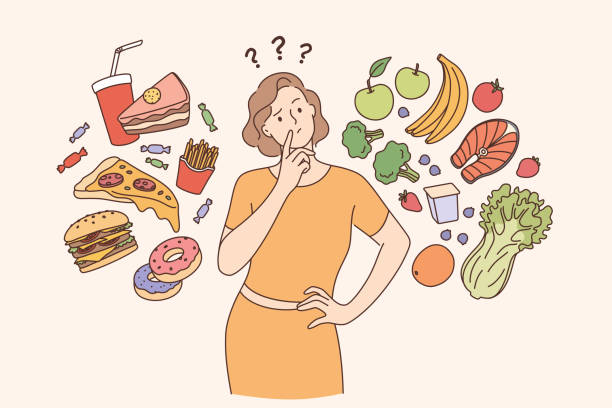
Dear Dietitian: How Do You Spot Nutrition Misinformation?
New fad on your feed? A registered dietitian shares how to spot nutrition misinformation using her 5-question toolbox, from meal sequencing to glucose hacks.

New fad on your feed? A registered dietitian shares how to spot nutrition misinformation using her 5-question toolbox, from meal sequencing to glucose hacks.
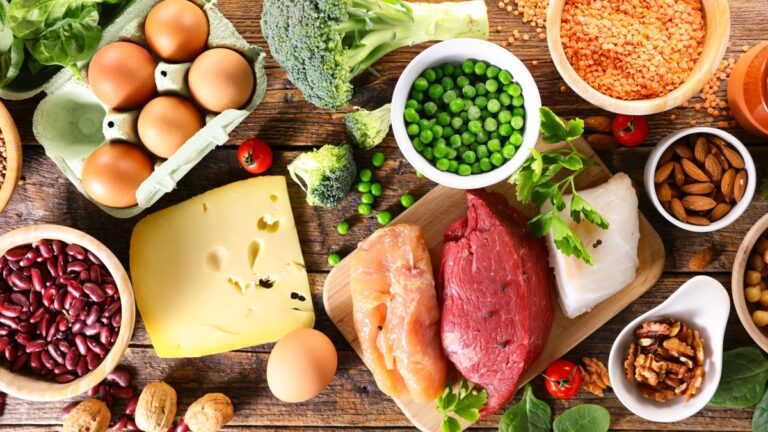
Protein is everywhere, from chips to water, but how much do you actually need? In this Dear Dietitian column, we break down protein requirements, plant vs. animal sources, and whether protein-packed products are worth the hype (and the cost). A practical, no-nonsense guide to understanding protein without falling into diet culture traps.
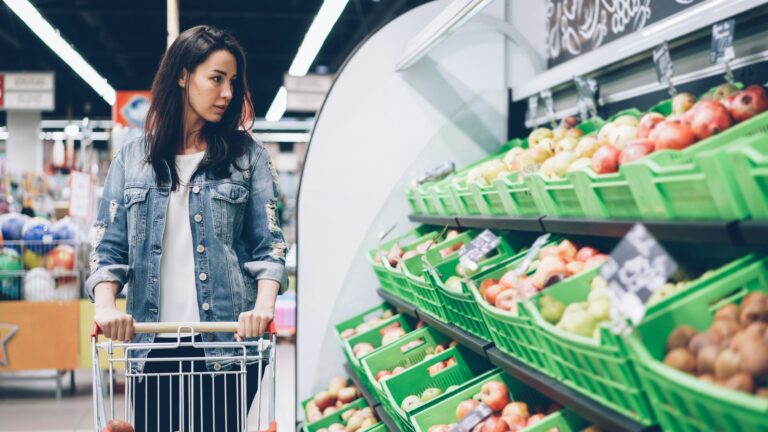
Confused about what to eat and how much to eat? You’re not alone. In this Dear Dietitian column, we unpack how diet culture and shifting nutrition research fuel food confusion, and offer a simple, balanced framework rooted in intuitive eating. Learn how to build meals from core food groups, tune into your hunger cues, and eat with confidence instead of rules.
If New Year’s resolutions tend to fizzle out fast, you’re not alone. In this Dear Dietitian post, we unpack why resolutions so often fail, how guilt and diet culture play a role, and what to do instead. A compassionate guide to making meaningful changes, without pressure, perfection, or shame.

Helping kids become intuitive eaters can feel overwhelming, especially when the pressure around “getting it right” starts from the moment they’re born. In this month’s Dear Dietitian column, we explore why feeding feels so personal, how our good intentions sometimes backfire, and what truly supports children in keeping the intuitive eating skills they’re born with. From structure without pressure to unpacking the role of fatphobia, this post offers a grounded, compassionate roadmap for raising confident, connected eaters.
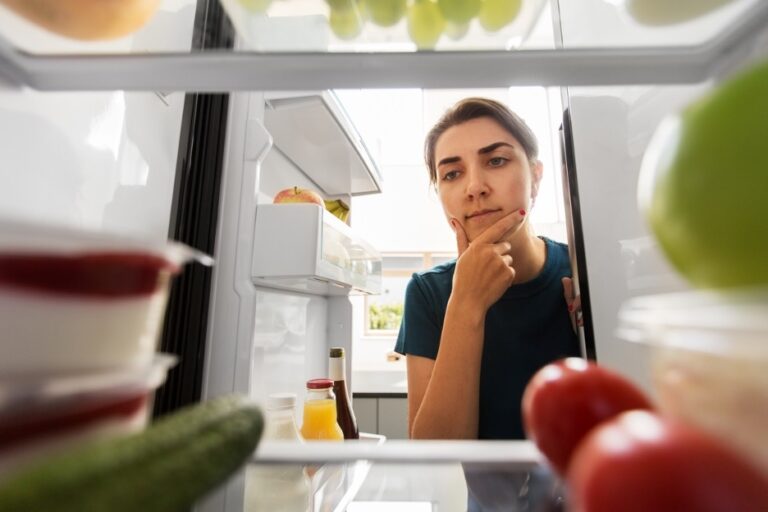
Yes, you can eat whatever you want. But Intuitive Eating goes deeper – it’s about attunement. Eating whatever you want doesn’t make you an intuitive eater; tuning in to your body’s needs and respecting them does.

BMI in its current usage is utterly flawed and misused. Using your BMI to tell you about your risk for a disease is like saying “Your hair is brown, you must have high cholesterol”. If that sounds absurd to you, good – using BMI to assess your health is similarly laughable.
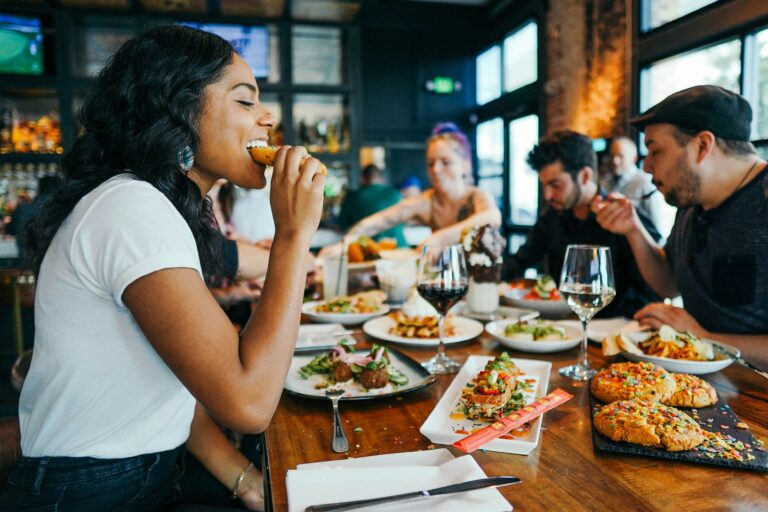
Many clients have come to me for Intuitive Eating AND weight loss and I get it – we live in a world that is fatphobic and discriminates against larger bodies. Our culture links weight with health and assigns moral value to our body size (aka diet culture) so it is logical that many people want to lose weight.

Warning: This blog post is about poop. If that makes you uncomfortable, you are not alone. Many clients preface their discussion about bowel movements with a ‘sorry, this is TMI, but…’ and I get it, for many people it feels embarrassing to talk about poop. But I am here to tell you that, as a dietitian, I talk about poop all day long.
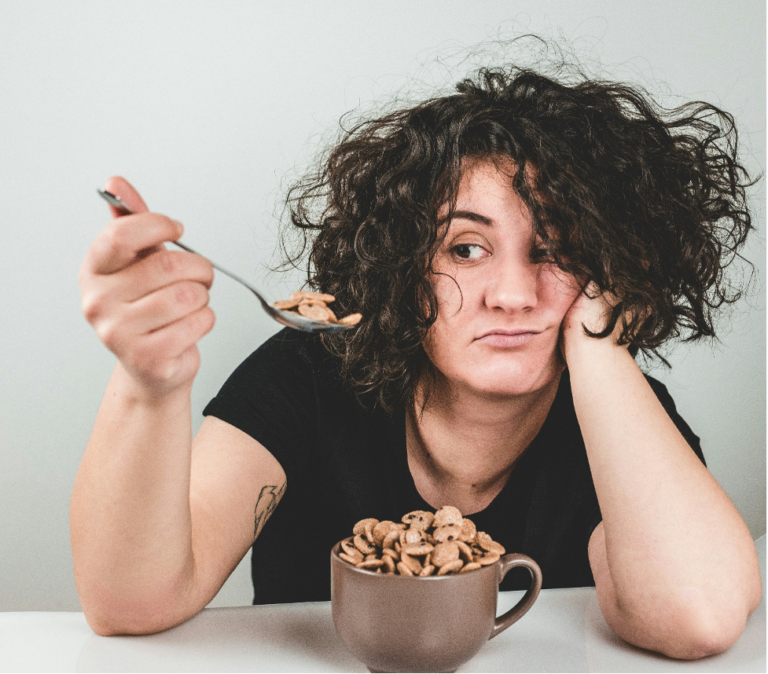
This is a tough question – many of us feel burnt out from cooking. Our need to eat is persistent and never-ending. I have a toddler and some days it feels like I spend all day making food. And that’s it. It doesn’t feel particularly fulfilling. I may have a day where I feel inspired to make delicious, nourishing food and on those days, I feel like I knocked it out of the park. But then I wake up the next day and we need food at least three times that day AGAIN. And then I lose all desire to be in the kitchen.
New fad on your feed? A registered dietitian shares how to spot nutrition misinformation using her 5-question toolbox, from meal sequencing to glucose hacks.
Protein is everywhere, from chips to water, but how much do you actually need? In this Dear Dietitian column, we break down protein requirements, plant vs. animal sources, and whether protein-packed products are worth the hype (and the cost). A practical, no-nonsense guide to understanding protein without falling into diet culture traps.
Confused about what to eat and how much to eat? You’re not alone. In this Dear Dietitian column, we unpack how diet culture and shifting nutrition research fuel food confusion, and offer a simple, balanced framework rooted in intuitive eating. Learn how to build meals from core food groups, tune into your hunger cues, and eat with confidence instead of rules.
If New Year’s resolutions tend to fizzle out fast, you’re not alone. In this Dear Dietitian post, we unpack why resolutions so often fail, how guilt and diet culture play a role, and what to do instead. A compassionate guide to making meaningful changes, without pressure, perfection, or shame.
Helping kids become intuitive eaters can feel overwhelming, especially when the pressure around “getting it right” starts from the moment they’re born. In this month’s Dear Dietitian column, we explore why feeding feels so personal, how our good intentions sometimes backfire, and what truly supports children in keeping the intuitive eating skills they’re born with. From structure without pressure to unpacking the role of fatphobia, this post offers a grounded, compassionate roadmap for raising confident, connected eaters.
Yes, you can eat whatever you want. But Intuitive Eating goes deeper – it’s about attunement. Eating whatever you want doesn’t make you an intuitive eater; tuning in to your body’s needs and respecting them does.
BMI in its current usage is utterly flawed and misused. Using your BMI to tell you about your risk for a disease is like saying “Your hair is brown, you must have high cholesterol”. If that sounds absurd to you, good – using BMI to assess your health is similarly laughable.
Many clients have come to me for Intuitive Eating AND weight loss and I get it – we live in a world that is fatphobic and discriminates against larger bodies. Our culture links weight with health and assigns moral value to our body size (aka diet culture) so it is logical that many people want to lose weight.
Warning: This blog post is about poop. If that makes you uncomfortable, you are not alone. Many clients preface their discussion about bowel movements with a ‘sorry, this is TMI, but…’ and I get it, for many people it feels embarrassing to talk about poop. But I am here to tell you that, as a dietitian, I talk about poop all day long.
This is a tough question – many of us feel burnt out from cooking. Our need to eat is persistent and never-ending. I have a toddler and some days it feels like I spend all day making food. And that’s it. It doesn’t feel particularly fulfilling. I may have a day where I feel inspired to make delicious, nourishing food and on those days, I feel like I knocked it out of the park. But then I wake up the next day and we need food at least three times that day AGAIN. And then I lose all desire to be in the kitchen.