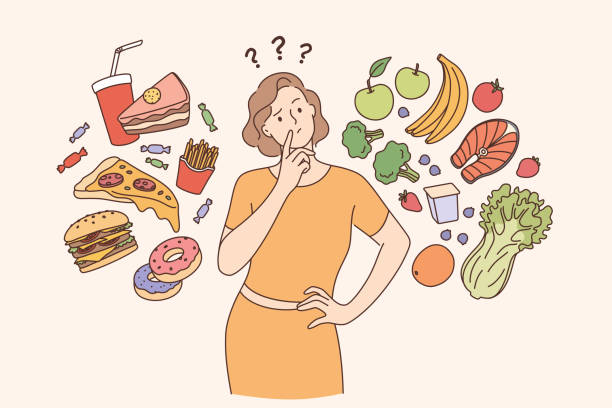
Dear Dietitian: How Do You Spot Nutrition Misinformation?
New fad on your feed? A registered dietitian shares how to spot nutrition misinformation using her 5-question toolbox, from meal sequencing to glucose hacks.

New fad on your feed? A registered dietitian shares how to spot nutrition misinformation using her 5-question toolbox, from meal sequencing to glucose hacks.

What if the problem isn’t your body, but your clothes? In this reflective essay, we explore the powerful connection between clothing, body image, diet culture, and self-worth. From restrictive sizing and fast fashion to personal style and body trust, this post examines how clothing shapes the way we experience ourselves, and why finding clothes that fit your body, life, and identity can be a radical act of self-compassion.
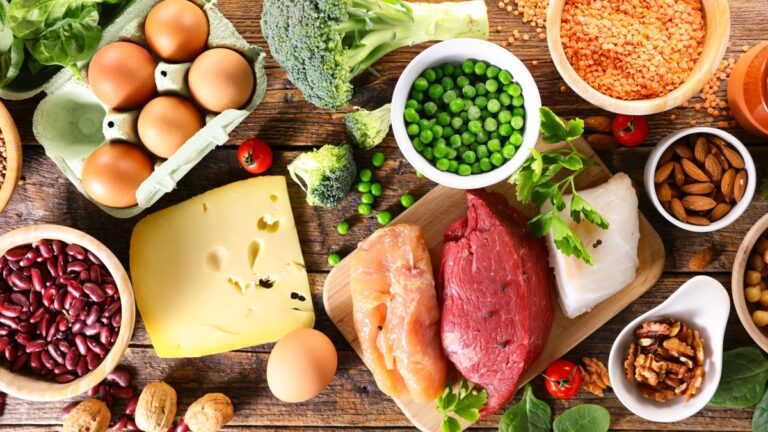
Protein is everywhere, from chips to water, but how much do you actually need? In this Dear Dietitian column, we break down protein requirements, plant vs. animal sources, and whether protein-packed products are worth the hype (and the cost). A practical, no-nonsense guide to understanding protein without falling into diet culture traps.

Confused about what to eat and how much to eat? You’re not alone. In this Dear Dietitian column, we unpack how diet culture and shifting nutrition research fuel food confusion, and offer a simple, balanced framework rooted in intuitive eating. Learn how to build meals from core food groups, tune into your hunger cues, and eat with confidence instead of rules.
If New Year’s resolutions tend to fizzle out fast, you’re not alone. In this Dear Dietitian post, we unpack why resolutions so often fail, how guilt and diet culture play a role, and what to do instead. A compassionate guide to making meaningful changes, without pressure, perfection, or shame.

Helping kids become intuitive eaters can feel overwhelming, especially when the pressure around “getting it right” starts from the moment they’re born. In this month’s Dear Dietitian column, we explore why feeding feels so personal, how our good intentions sometimes backfire, and what truly supports children in keeping the intuitive eating skills they’re born with. From structure without pressure to unpacking the role of fatphobia, this post offers a grounded, compassionate roadmap for raising confident, connected eaters.
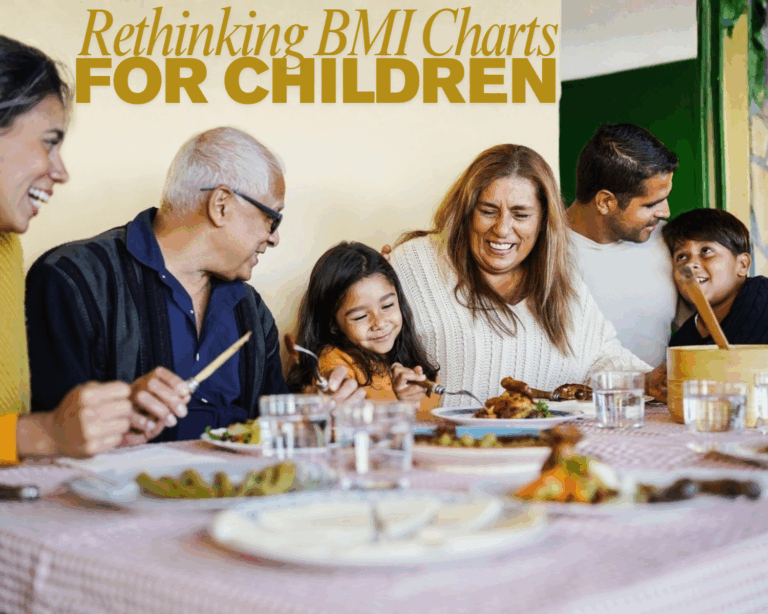
BMI has long been treated as a standard measure of children’s health, but what if it’s giving us the wrong story? In this post, we break down why BMI charts are outdated, how they reinforce fatphobia, and why focusing on body size can distract from what truly supports a child’s well-being. Learn what growth charts can tell us, what they can’t, and how to approach your child’s health with more nuance, compassion, and trust.
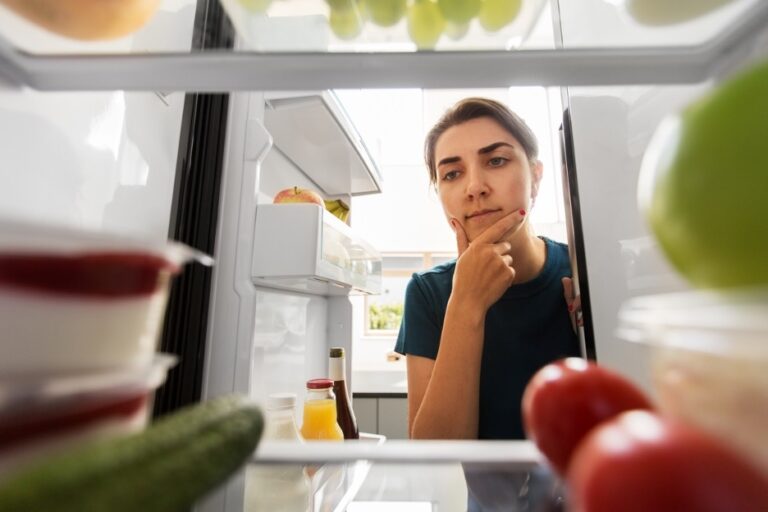
Yes, you can eat whatever you want. But Intuitive Eating goes deeper – it’s about attunement. Eating whatever you want doesn’t make you an intuitive eater; tuning in to your body’s needs and respecting them does.
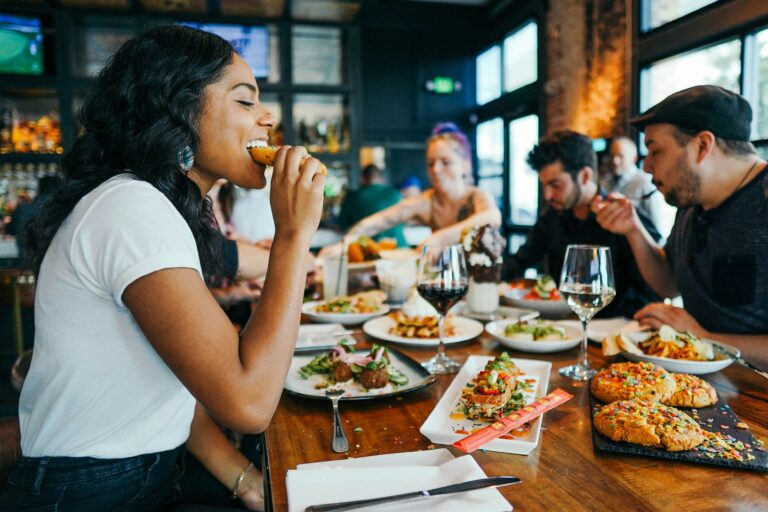
Many clients have come to me for Intuitive Eating AND weight loss and I get it – we live in a world that is fatphobic and discriminates against larger bodies. Our culture links weight with health and assigns moral value to our body size (aka diet culture) so it is logical that many people want to lose weight.

Summer brings longer days filled with beach trips, backyard barbecues, and the enjoyment of a whole lineup of nostalgicfoods we’ve loved since childhood. For many of us, those seasonal favorites come tangled with stress,
New fad on your feed? A registered dietitian shares how to spot nutrition misinformation using her 5-question toolbox, from meal sequencing to glucose hacks.
What if the problem isn’t your body, but your clothes? In this reflective essay, we explore the powerful connection between clothing, body image, diet culture, and self-worth. From restrictive sizing and fast fashion to personal style and body trust, this post examines how clothing shapes the way we experience ourselves, and why finding clothes that fit your body, life, and identity can be a radical act of self-compassion.
Protein is everywhere, from chips to water, but how much do you actually need? In this Dear Dietitian column, we break down protein requirements, plant vs. animal sources, and whether protein-packed products are worth the hype (and the cost). A practical, no-nonsense guide to understanding protein without falling into diet culture traps.
Confused about what to eat and how much to eat? You’re not alone. In this Dear Dietitian column, we unpack how diet culture and shifting nutrition research fuel food confusion, and offer a simple, balanced framework rooted in intuitive eating. Learn how to build meals from core food groups, tune into your hunger cues, and eat with confidence instead of rules.
If New Year’s resolutions tend to fizzle out fast, you’re not alone. In this Dear Dietitian post, we unpack why resolutions so often fail, how guilt and diet culture play a role, and what to do instead. A compassionate guide to making meaningful changes, without pressure, perfection, or shame.
Helping kids become intuitive eaters can feel overwhelming, especially when the pressure around “getting it right” starts from the moment they’re born. In this month’s Dear Dietitian column, we explore why feeding feels so personal, how our good intentions sometimes backfire, and what truly supports children in keeping the intuitive eating skills they’re born with. From structure without pressure to unpacking the role of fatphobia, this post offers a grounded, compassionate roadmap for raising confident, connected eaters.
BMI has long been treated as a standard measure of children’s health, but what if it’s giving us the wrong story? In this post, we break down why BMI charts are outdated, how they reinforce fatphobia, and why focusing on body size can distract from what truly supports a child’s well-being. Learn what growth charts can tell us, what they can’t, and how to approach your child’s health with more nuance, compassion, and trust.
Yes, you can eat whatever you want. But Intuitive Eating goes deeper – it’s about attunement. Eating whatever you want doesn’t make you an intuitive eater; tuning in to your body’s needs and respecting them does.
Many clients have come to me for Intuitive Eating AND weight loss and I get it – we live in a world that is fatphobic and discriminates against larger bodies. Our culture links weight with health and assigns moral value to our body size (aka diet culture) so it is logical that many people want to lose weight.
Summer brings longer days filled with beach trips, backyard barbecues, and the enjoyment of a whole lineup of nostalgicfoods we’ve loved since childhood. For many of us, those seasonal favorites come tangled with stress,